Postdoctoral Fellows and Research Scientists
UPDATE (10/2026): We are actively searching for multiple Postdoctoral Research Fellows with prior experience in battery electrode fabrication and diagnostics, and/or expertise in X-ray computed tomography. The target start date is 12/1/2026 or as soon as possible; therefore, I am unable to provide visa sponsorship for these roles.
All post-PhD scientists are welcome to contact Wes directly about open opportunities to join our group or working on a fellowship application together.
PhD Positions
UPDATE (9/2026): We are actively searching for PhD students to fill several unique opportunities starting Fall 2027 or earlier that combine traditional PhD research in a shortened timeframe with a 1 year industry internship (4 year PhD program, with 3 years in our lab and 1 year at the battery partner R&D site). Eligibility is limited to U.S. citizens, nationals and permanent residents.
An ideal PhD candidate in our lab is someone who is passionate about batteries, is interested in both fundamental and applied electrochemistry research, and enjoys working with others. Current members of the lab have: prior battery industry experience, materials/mechanical/chemical engineering backgrounds, some proficiency with programming and battery data analytics.
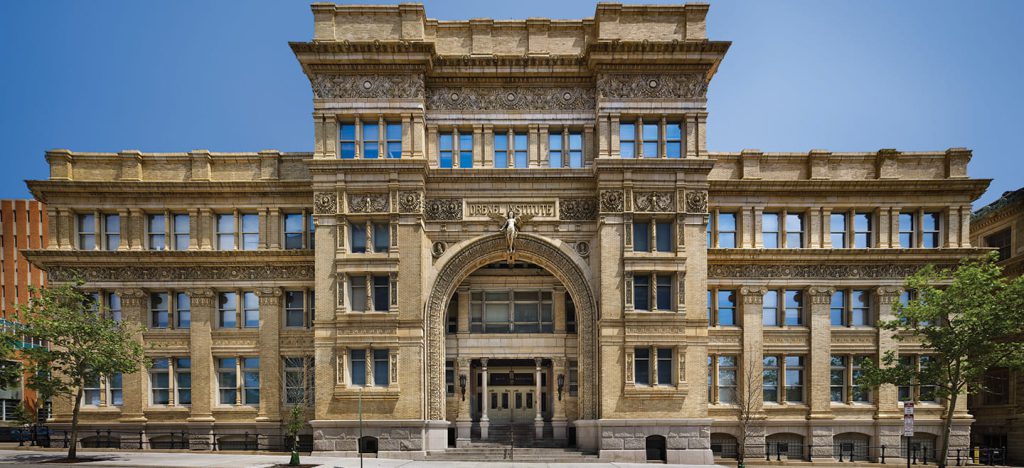
Some points of clarification: you get *paid* to do a PhD, and in choosing a PhD program, your future thesis advisor matters most, because you will be working on research projects in their lab for 5 years. Battery research labs can be found in any engineering department, most commonly in materials engineering, mechanical engineering, and sometimes chemical engineering. Even more freedom and flexibility can be obtained if you receive an external fellowship such as the NSF GRFP or NDSEG for graduate students, and Wes is happy to provide support on proposal writing and submission. We hope to welcome you to our research group and to the Drexel campus soon!
Undergrads and Master’s Students
Any undergrads and Master’s students who want to have fun making, breaking and understanding batteries are encouraged to email Wes directly for potential projects (the minimum effort requirement is 10 hours per week during academic year, full-time during summer). If you are in the process of ”figuring things out” – we are always happy to chat.
The Drexel MEM MS program aims to connect continued graduate studies with real world experience through the graduate co-op program, more info found online: https://drexel.edu/engineering/academics/graduate-programs/masters/mechanical-engineering/