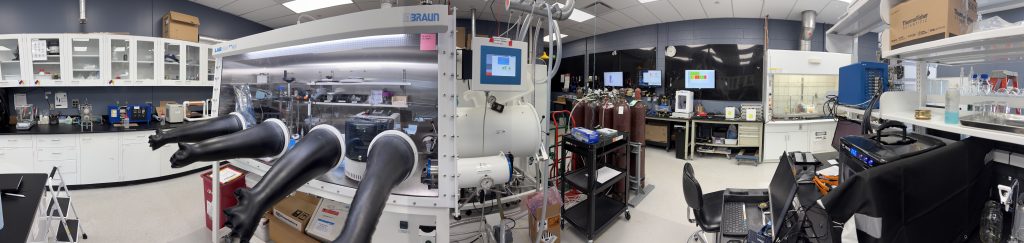
Operando battery diagnostics
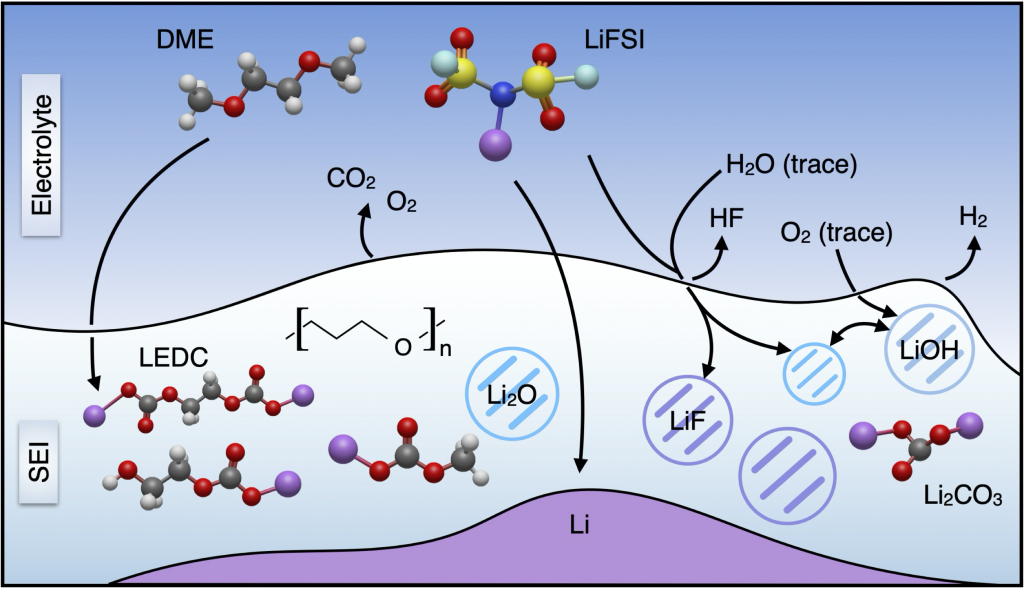
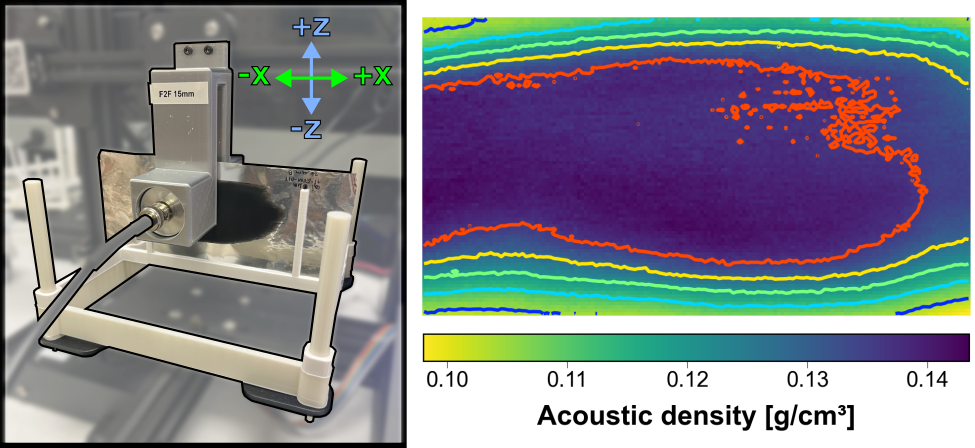
We design, build and use multi-modal characterization techniques, such as ultrasound, to examine the relationships between material properties and device behavior in next-generation rechargeable batteries, including lithium metal and silicon anodes, solid-state batteries and sodium-ion chemistries.
Processing and manufacturing science
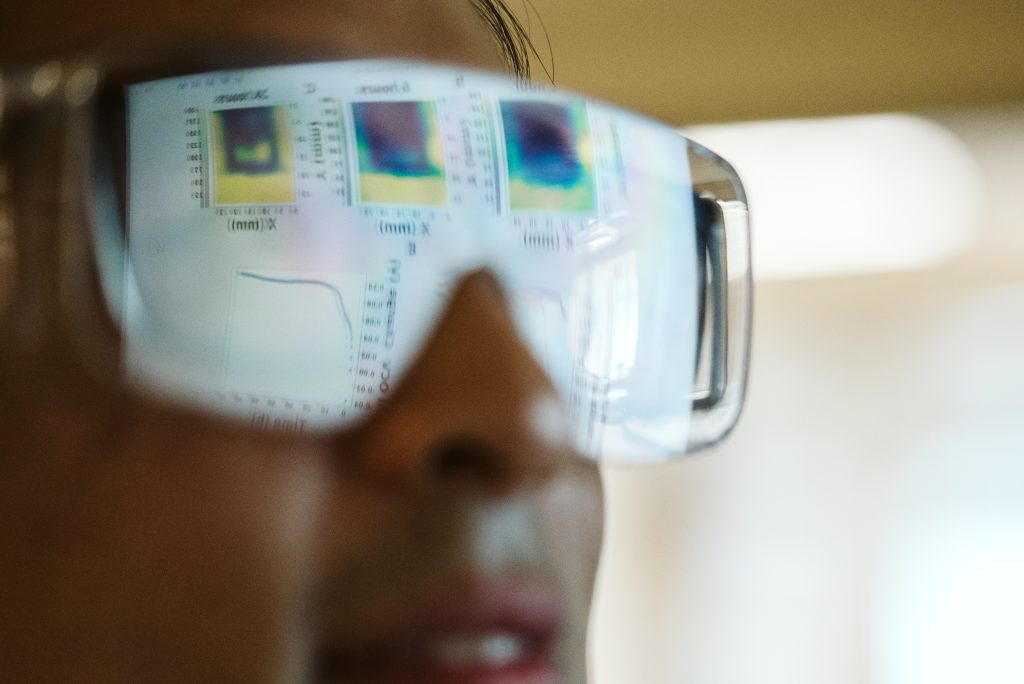
We are creating a deterministic framework to predict microstructural properties and device performance from material processing parameters. This includes ongoing work related to dry electrode processing, enabling lower manufacturing cost and improved energy efficiency. We collaborate closely with industry partners.
Transport in electrochemical reactors
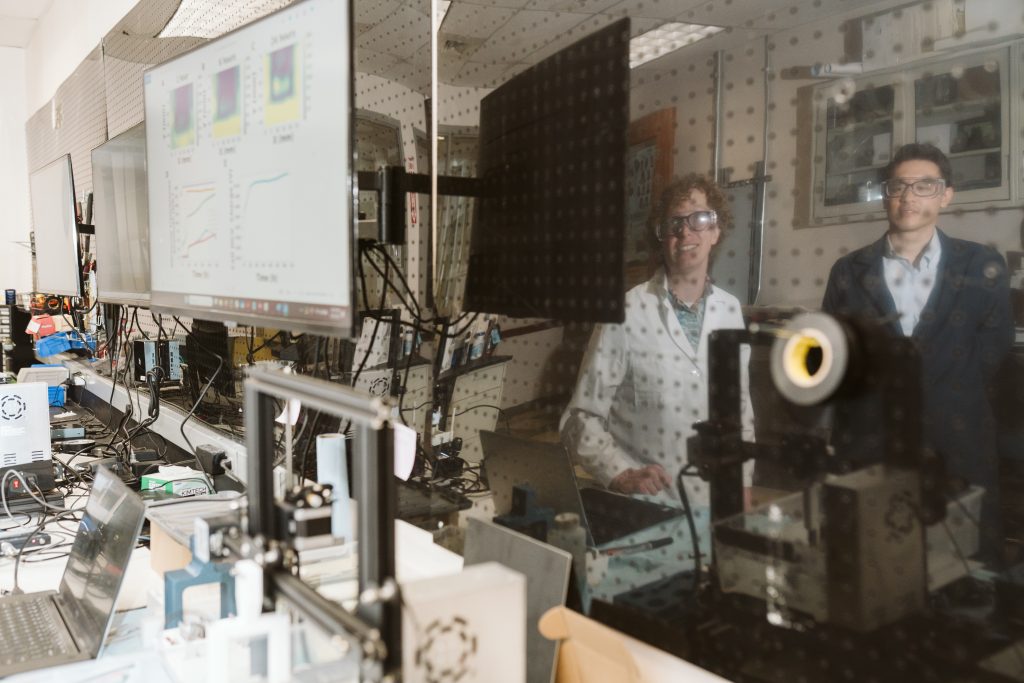
Aside from rechargeable batteries, electrochemical reactors can also be designed to produce useful fuels and chemicals (electrocatalysis). However, most electrocatalytic reactors are not developed at industrial scale. We leverage our existing diagnostic capabilities to measure, predict and understand how gas, liquid and solid interfaces interact in electrocatalytic reactors.