CIRCLE: Circular Innovations for Resilient Communities and Livable Environments
We combine sustainability science, building design, urban planning and policy, environmental justice, and engineering methods to work on solutions for circular, sustainable, equitable, and resilient built environments.
Current research projects
LEAPS: Leading the Engineering Profession Towards Sustainability through Purpose, Belonging, and Creative Problem Solving
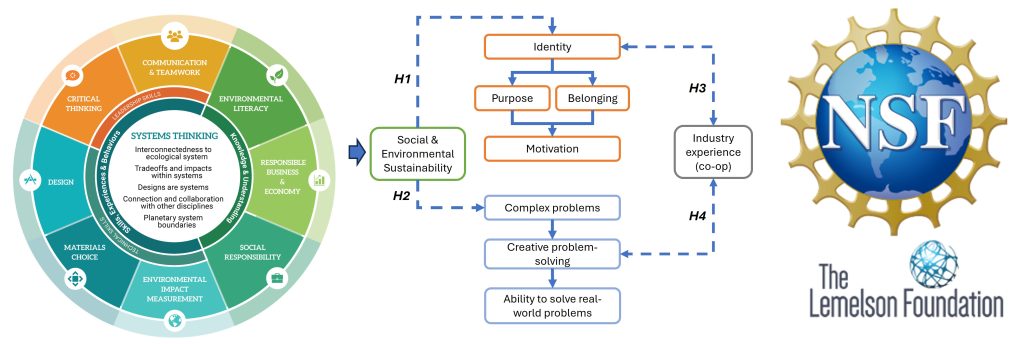
LEAPS is a three-year study exploring how sustainability-centered engineering education shapes students as they become engineers: their sense of purpose and belonging in the profession, their creative problem-solving, and their development of sustainability-related competencies. We’re also looking closely at how Drexel’s co-op model, with students moving between the classroom and professional practice throughout their degree, shapes these outcomes.
This work spans our Civil, Architectural and Environmental Engineering department and Mechanical Engineering and Mechanics, and it’s a true collaboration supported by the School of Education.
Collaborators: Dr. Jennifer Atchison and Dr. Jennifer Katz-Buonincontro
Funding: NSF and the Lemelson Foundation
Integrating life cycle assessment and generative AI to enable circular building design in early design phases
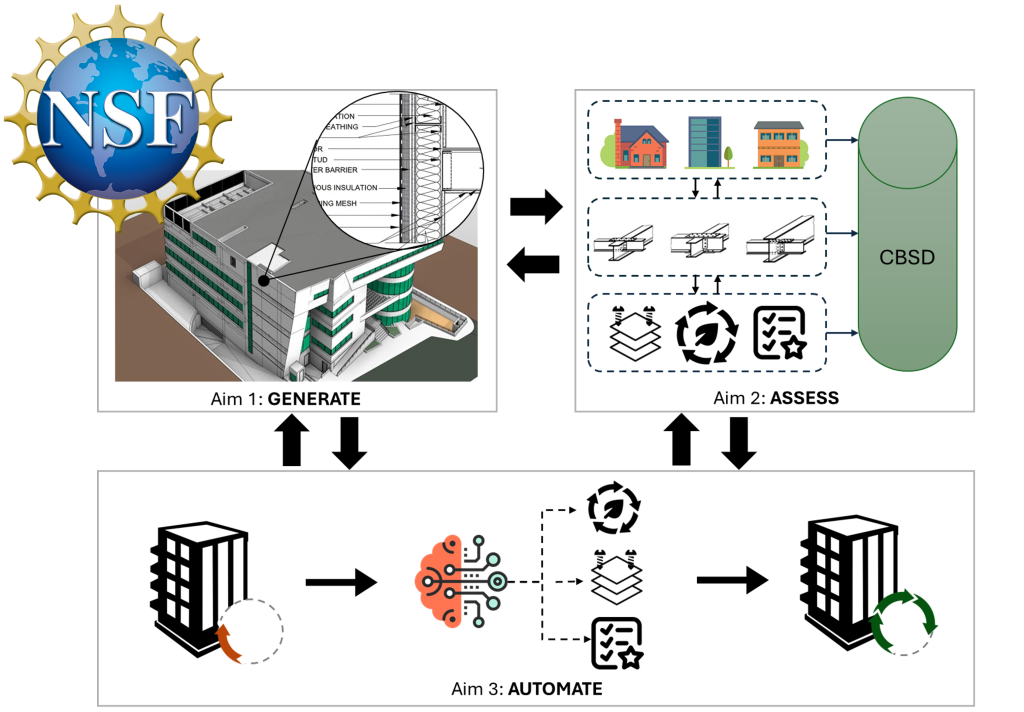
We are developing a data-driven framework that helps architects and engineers integrate circular economy strategies early in the building design process. We are combining generative AI, life cycle assessment, and circularity metrics to support low-carbon, low-waste material decisions and create a Circular Building Solutions Database to guide sustainable construction practices.
Collaborators: Dr. Arvin Ebrahimkhanlou
Funding: National Science Foundation
Uncovering the untapped potential of circular material stocks and flows in urban areas
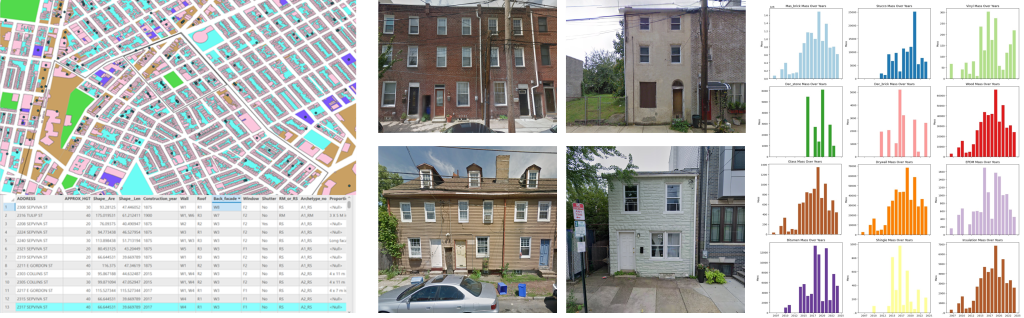
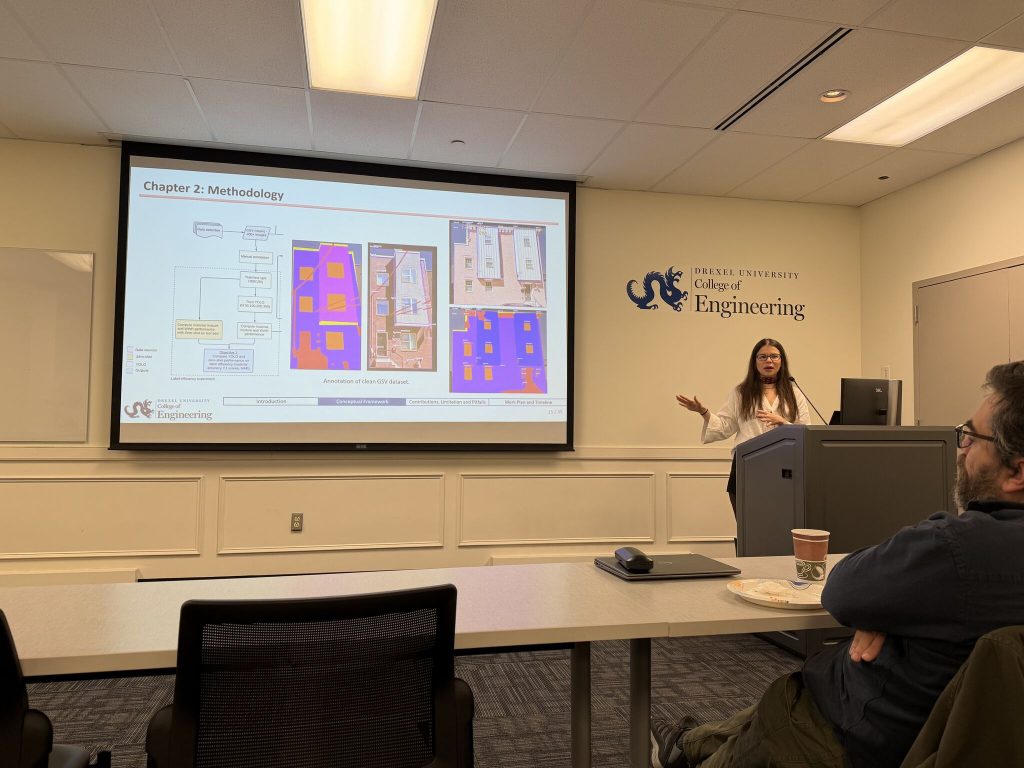
We’re investigating building material stocks and flows in Philadelphia to support reuse and recycling efforts. By analyzing materials from past and future demolitions, we are quantifying and predicting future material availability, supply vs. demand, and circular economy opportunities. Our methods include GIS, photogrammetry, LCA data, machine learning, computer vision, and stakeholder interviews.
Collaborators: Dr. Feng Liu
Funding: Lonsgview Fellowship
Team: Cagla Keles, Yixuan Chen, Audrey Ling, Enzo Fetter-Garcia, Kevin Nally, Jie Dong, Mia Craig, Channacy Un
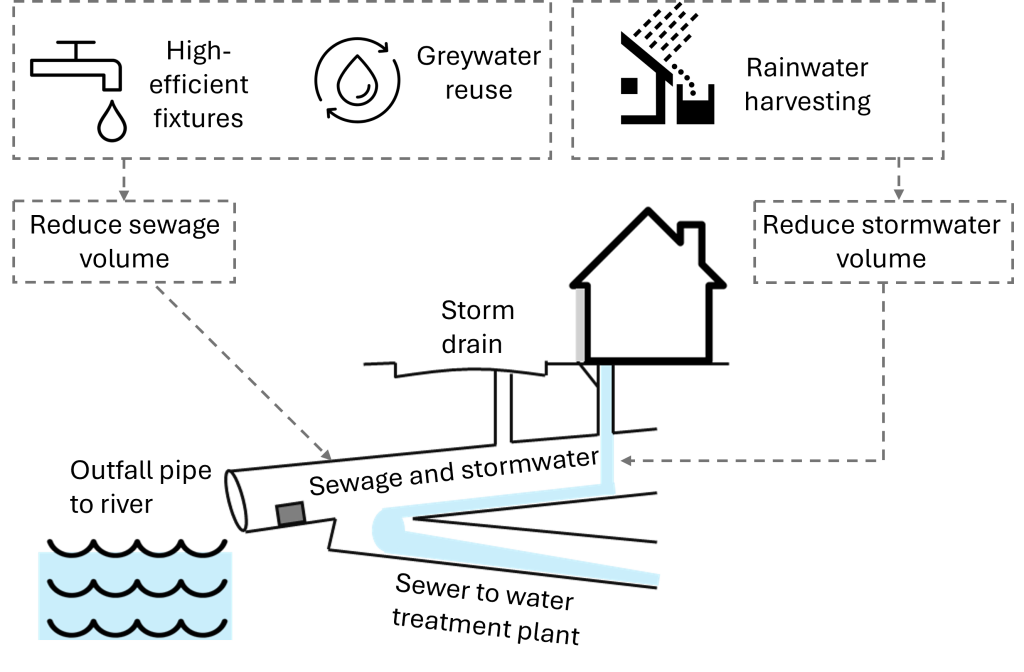
Investigating the impact of decentralized circular water strategies on flooding
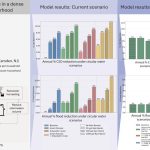
We modeled how circular water strategies—like rainwater harvesting, greywater reuse, and efficient fixtures—can reduce combined sewer overflows and increase climate resilience in marginalized urban communities. By combining LCA, economic analysis, and hydraulic modeling, we aim to identify low-impact, cost-effective solutions for Camden and Philadelphia. The first paper from this project can be accessed here.
Collaborators: Dr. Amanda Carneiro Marques, Dr. Franco Montalto
Funding: Longsview Fellowship
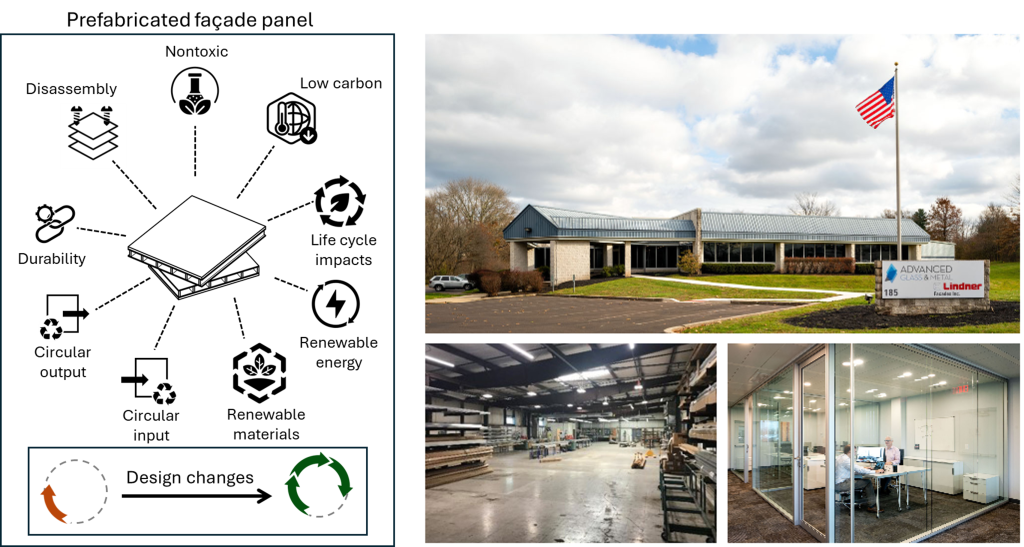
Measuring and improving the circularity of prefabricated building materials
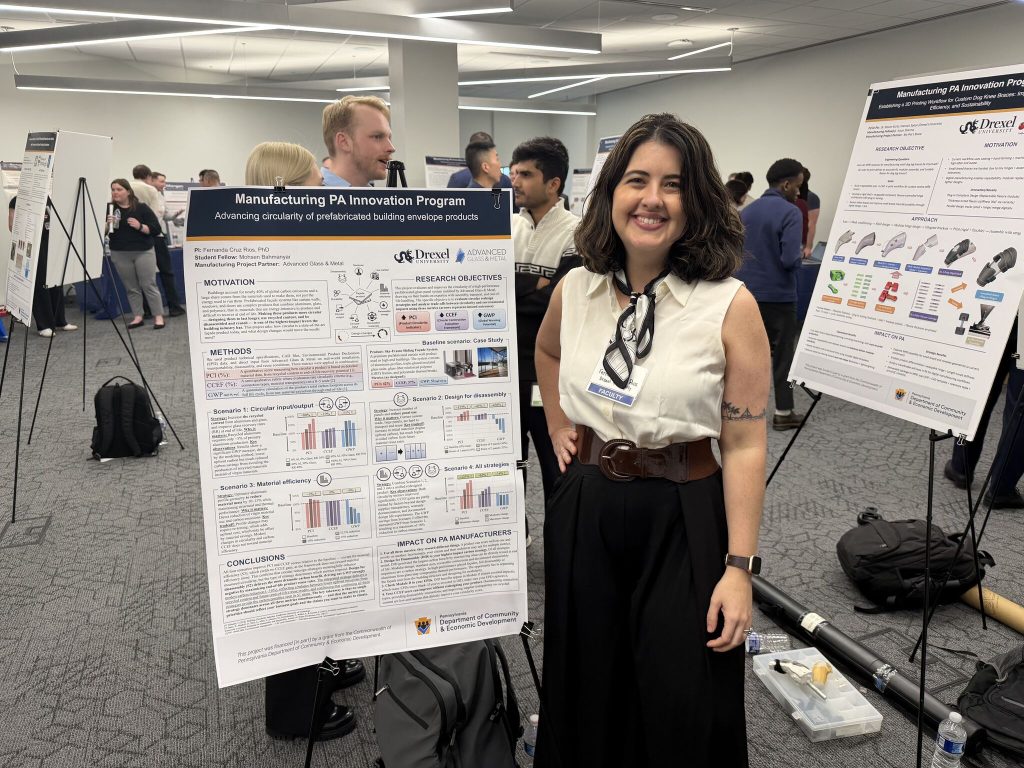
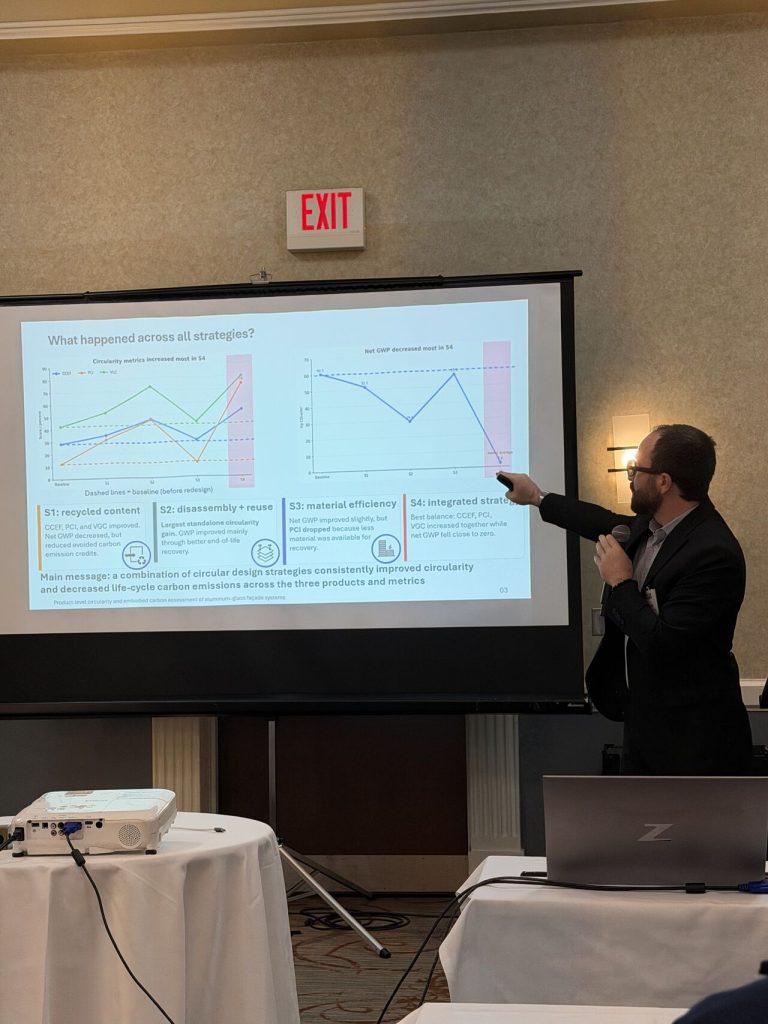
We are advancing the circularity of prefabricated building envelope products through design innovation, life cycle assessment, and technoeconomic analysis. This project aims to reduce construction waste, enhance material reuse, and create sustainable, profitable solutions in the building sector.
Collaborators: Advanced Glass & Metal
Funding: Pennsylvania Department of Community and Economic Development
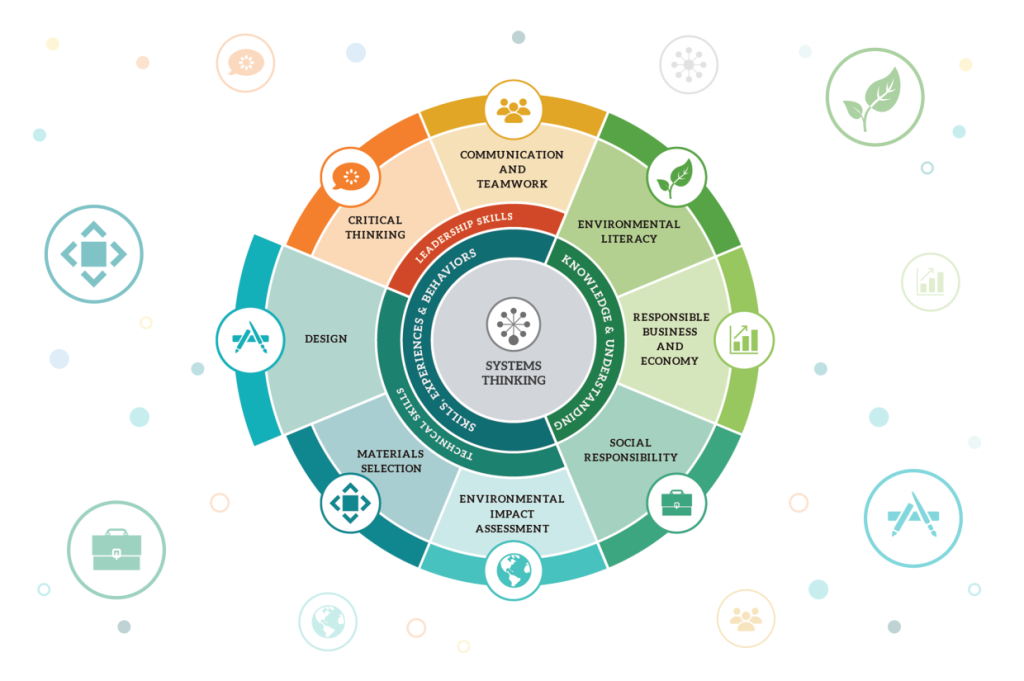
Creating a sustainability and climate resilience roadmap for civil, architectural, and environmental engineers
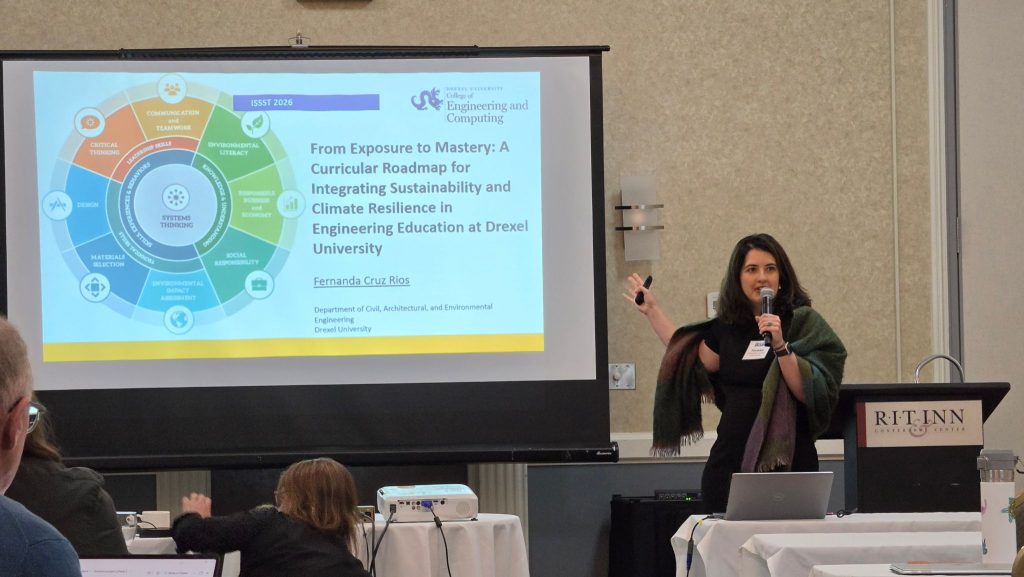
We are developing a sustainability roadmap for Drexel’s civil, architectural, and environmental engineering programs, integrating the Engineering for One Planet framework and climate pedagogies across exposure, competency, and mastery stages. Through curricular redesign, faculty collaboration, and public-facing educational resources, the initiative embeds sustainability and justice throughout the student journey while creating lasting institutional change.
Collaborators: Dr. Michael Waring, Dr. Simi Hoque, Dr. Joseph Hughes, Dr. Matt Reichenbach, Dr. Amanda Carneiro Marques, Dr. Mira Olson, Dr. Adams Rackes
Funding: American Society for Engineering Education (ASEE) and the Lemelson Foundation
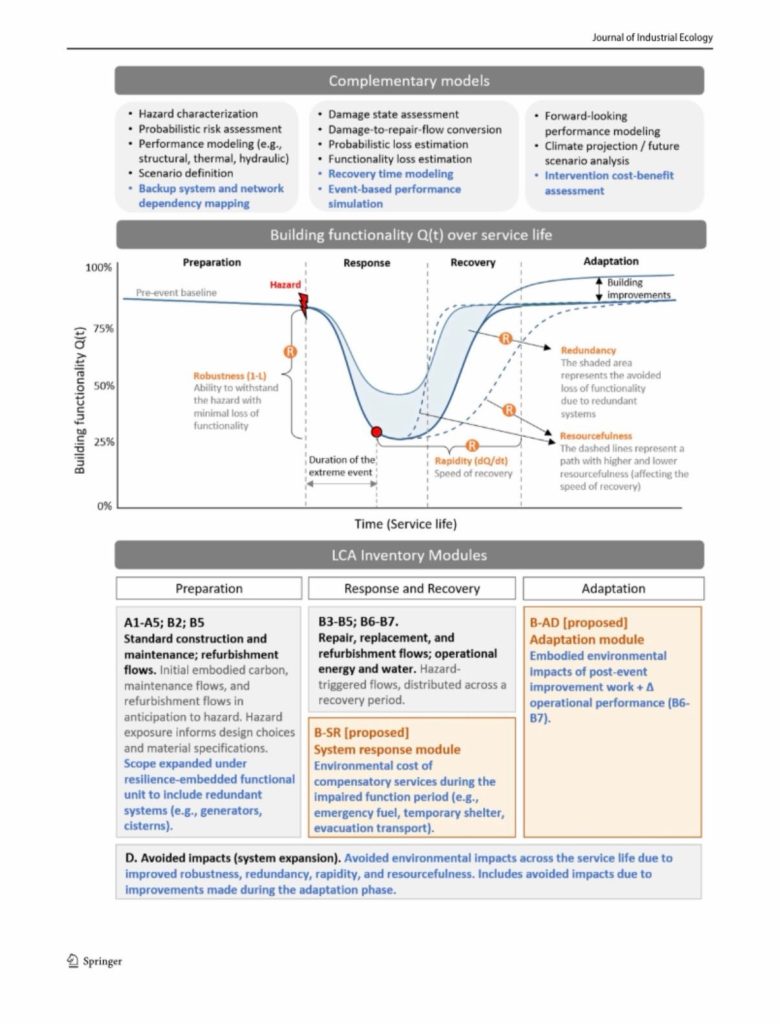
Operationalizing resilience into life cycle assessment
In a paper recently published in the Journal of Industrial Ecology, Dr. Cruz Rios reviewed 40 original articles that have attempted to incorporate climate resilience into LCA, focusing on 4 main hazards: flood, heat, wind, and seismic. She has found that current LCA practices do not properly account for the environmental benefits of climate resilience design in buildings. She proposed the RES-LCA framework to try to fill this gap. Dr. Cruz Rios is interested in collaborating with other researchers to apply the RES-LCA to real case studies.
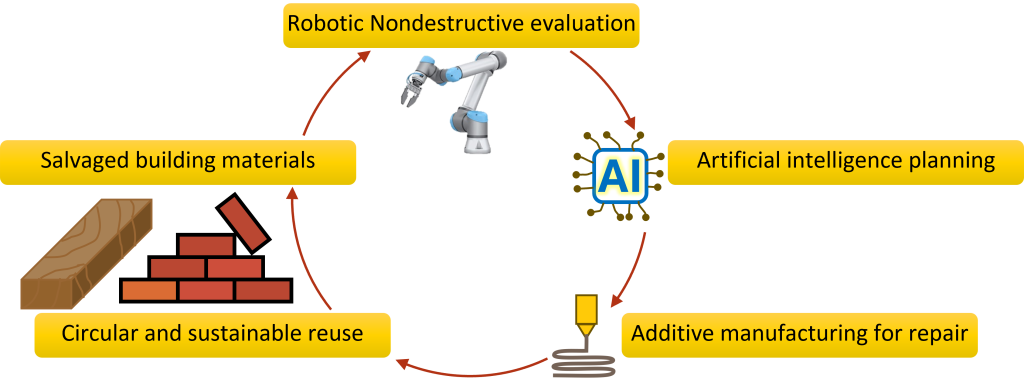
RECLAIM: Robotic Evaluation for Circular Lifecycle Assessment of Infrastructure Materials
We are exploring how robotics, AI, and nondestructive testing can enable the recovery, repair, and reuse of building materials from demolitions, reducing waste and environmental impact. By combining structural evaluation with life cycle assessment and digital tools, we aim to create automated pathways for circularity in the built environment.
Collaborator: Dr. Arvin Ebrahimkhanlou
Our team
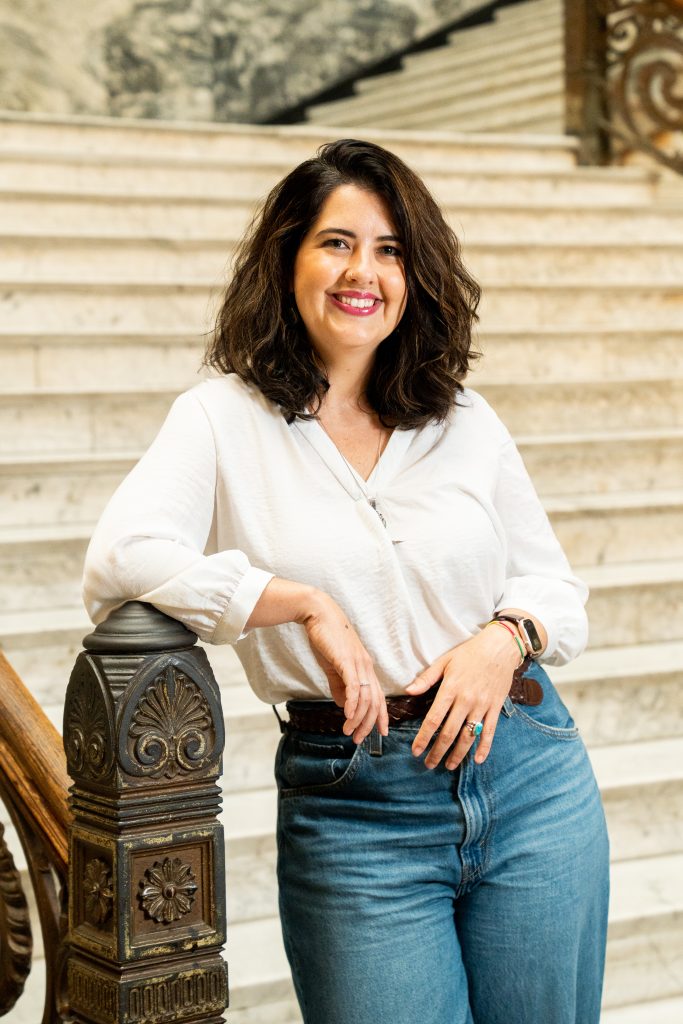
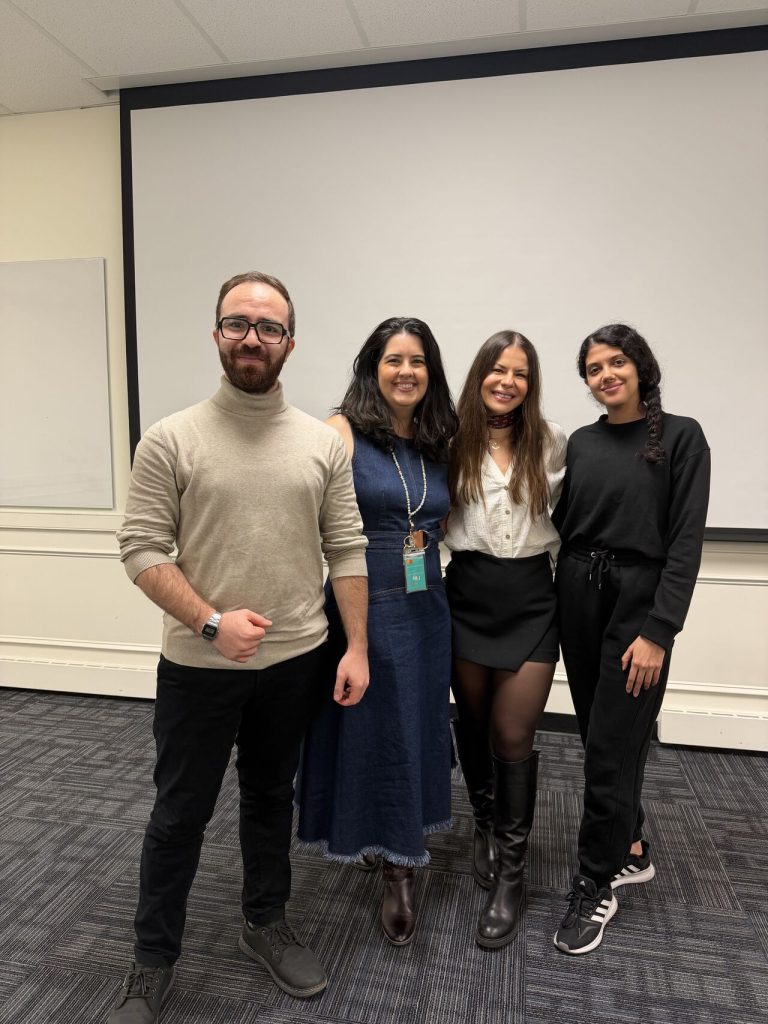
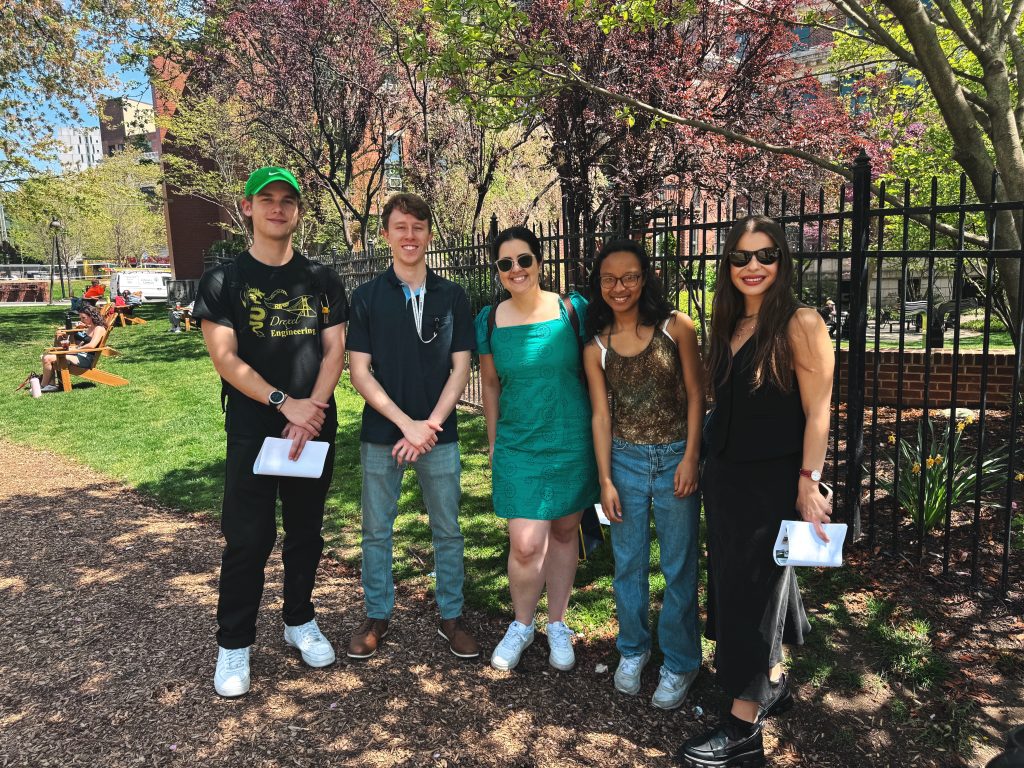
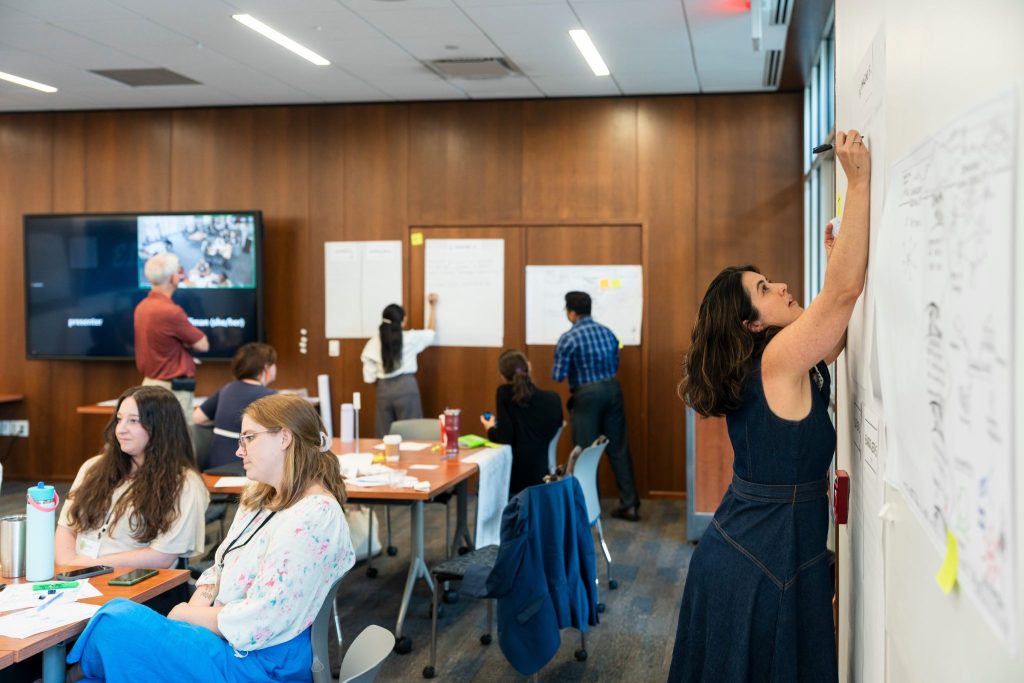
Led by Dr. Fernanda Cruz Rios, CIRCLE brings together a diverse, interdisciplinary team of students—from first-year undergraduates to PhD candidates—studying Architecture, Mechanical Engineering, and Architectural Engineering. We welcome students from Environmental Science and Engineering, as well as those whose interests bridge law, policy, and public health. Our collaborative projects thrive on varied perspectives and a shared commitment to sustainability, equity, and innovation in the built environment.


Latest News
- CIRCLE lab’s new Resilience in LCA paper is featured on Drexel News
- CIRCLE lab receives NSF-Lemelson award for integrating sustainability and climate resilience into engineering education!
- New CIRCLE lab paper introduces a framework to incorporate climate resilience into life cycle assessment
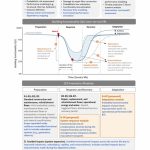
- Dr. Cruz Rios participates in the 2026 Engineering for One Planet convening
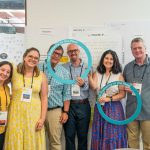
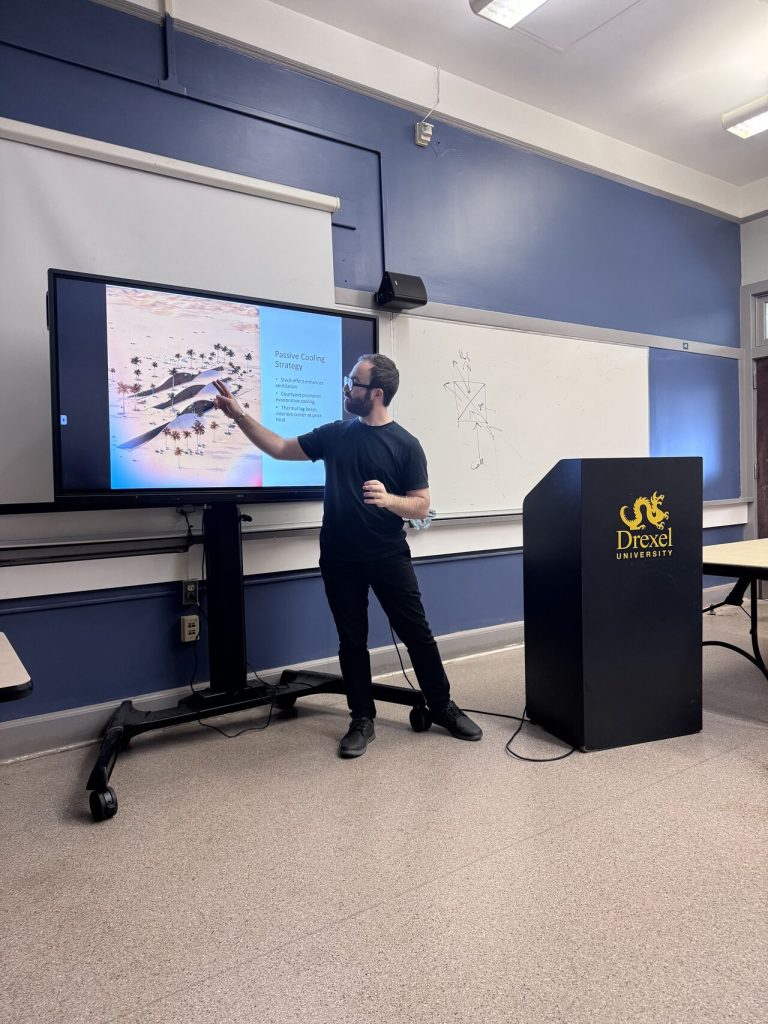
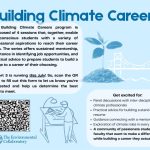
- Dr. Cruz Rios presents at Climate Careers event at Drexel University
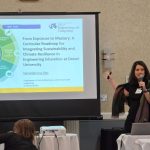
- Dr. Cruz Rios and Mohsen Bahmanyar present at the 2026 International Symposium of Sustainable Systems and Technologies (ISSST)
- Under Dr. Cruz Rios’s guidance, ENGR 113 First Year Engineering Design students design a Climate Resilience Hub
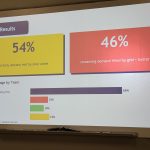
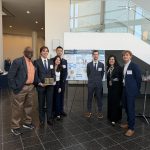
- 2026 Senior Design presentations reflect sustainability efforts in the CAEE department
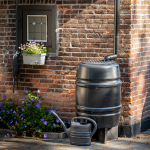
- CIRCLE lab in the News: Rain Barrels and Other Household Stormwater Strategies Are Working — For Now.

- CIRCLE lab in the News: Household water fixes can ease flooding in Camden’s aging sewers
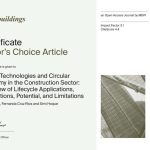
- CIRCLE lab PhD candidate Cagla Keles awarded Editor’s Choice Article for her work on Buildings
- New paper out! CIRCLE lab collaborated with Drexel’s Water lab to understand the impact of circular water strategies in urban resilience